

In the more than four years since the beginning of the COVID-19 pandemic, the virus has impacted nearly every aspect of our daily lives. It has both magnified and exacerbated health inequities, highlighting the critical importance of access to reliable and digestible information for individuals and communities across the country.
Today, COVID-19 remains a threat to our health and to those around us. Fortunately, access to COVID-19 vaccines has improved outcomes and saved millions of lives. However, as updated vaccines become available in response to new variants, vaccinations for COVID-19 are low, and children and adults are falling behind on even routine vaccinations. With this context in mind, it’s important to understand and examine the current state of COVID-19 vaccination trends and vaccination challenges more broadly.
To further this conversation, the COVID-19 Vaccine Education and Equity Project (CVEEP) partnered with Those Nerdy Girls for a 60-minute webinar discussion on the current state of COVID-19 response efforts. Panelists included:
The discussion was moderated by Beth Battaglino, RN-C, President and CEO of HealthyWomen, and convening member of CVEEP.

Vaccines are among the most effective ways to help protect children from many serious and potentially deadly diseases. Unfortunately, the number of children in the U.S. who are up to date on routine vaccinations has declined in recent years, putting them at increased risk for infection. This continued backslide in childhood immunizations and low rates of COVID-19 vaccination is especially alarming as we approach winter months when cases of respiratory illness typically increase. With updated COVID-19 vaccines now available, there is an opportunity to reinforce the importance of pediatric vaccination and answer parents’ questions about recommended vaccines, coadministration, and coverage when administering annual flu vaccines or during well-child visits.
To help address these and other questions, the CVEEP and the National Foundation for Infectious Diseases (NFID) co-hosted an online event to examine how the federally funded Vaccines for Children (VFC) Program covers payment of COVID-19 vaccines for children. During the 60-minute webinar, panelists discussed the importance of VFC, including eligibility and how the program covers updated COVID-19 vaccines, and proven strategies for combatting disparities in childhood immunization rates.
Panelists included:
The discussion was moderated by Patricia (Patsy) A. Stinchfield, RN, MS, CPNP, NFID President, past voting member and current liaison to the CDC Advisory Committee on Immunization Practices (ACIP) representing the National Association of Pediatric Nurse Practitioners (NAPNAP).
While vaccines remain the best protection against severe illness from COVID-19 and have helped reduce the number of infections and deaths from the virus, the recent uptick in cases and concerns about an increase this fall highlight the fact that COVID-19 is not gone, and millions of Americans continue to face a higher risk of severe illness from the virus.
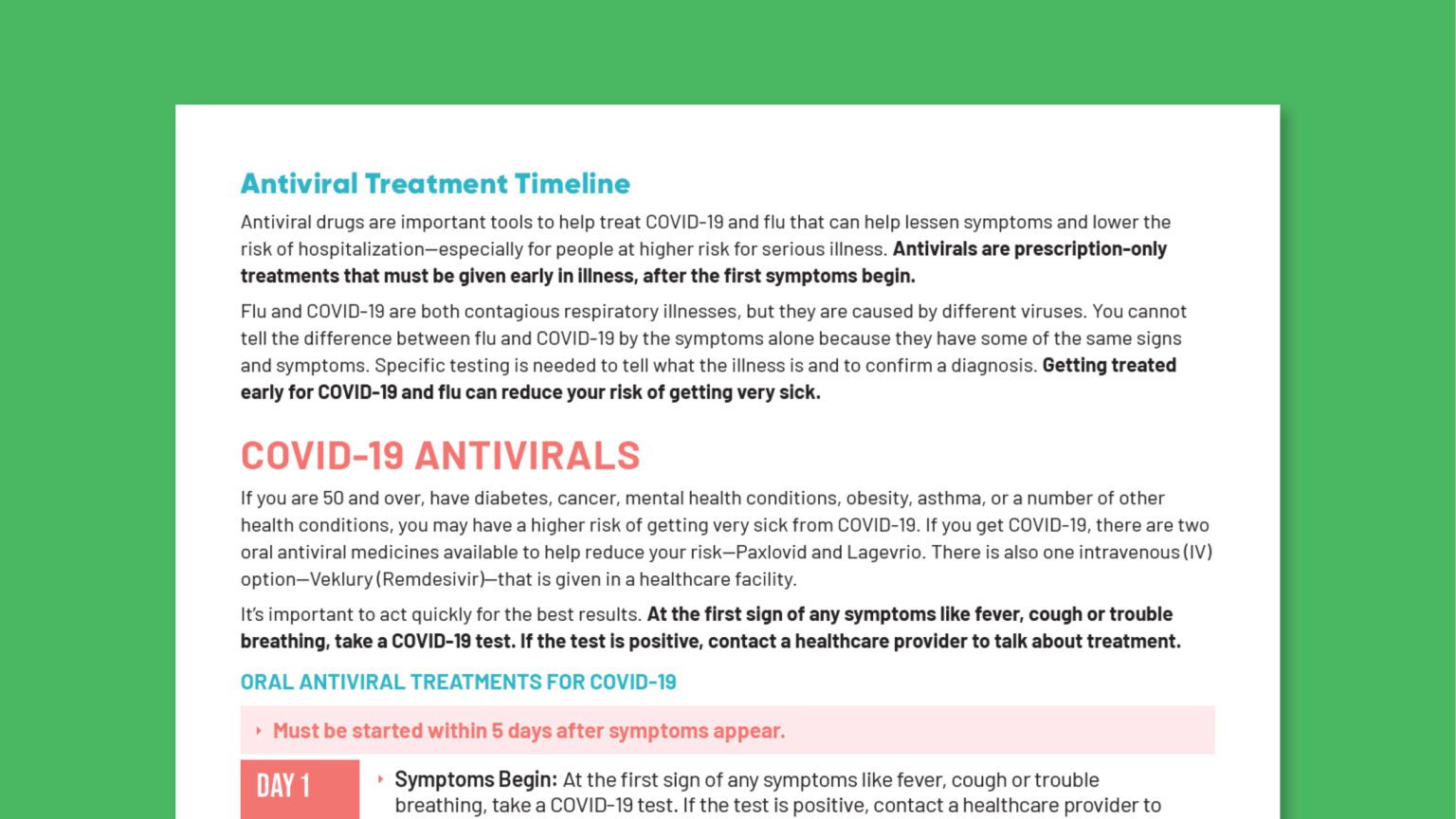
In addition to being up to date on vaccinations, antivirals are an important and effective tool to reduce the severity of symptoms and the risk of hospitalization for those at greatest risk of serious illness. Yet, despite the positive strides made since the start of the pandemic to mitigate the impact of COVID-19 and the availability of treatment options, public awareness and timely access to antiviral treatments remain a challenge for many, particularly among some of the most vulnerable populations.
The COVID-19 Education and Equity Project and our partners hosted an engaging discussion focused on raising awareness about antiviral treatments as a critical tool in the battle against COVID-19. A panel of experts provided their perspectives on practical efforts underway to help improve equity and access, shed light on common risk factors, and discuss ways to empower communities to be aware, make a plan, and take action to protect themselves against COVID-19.
Speakers included: