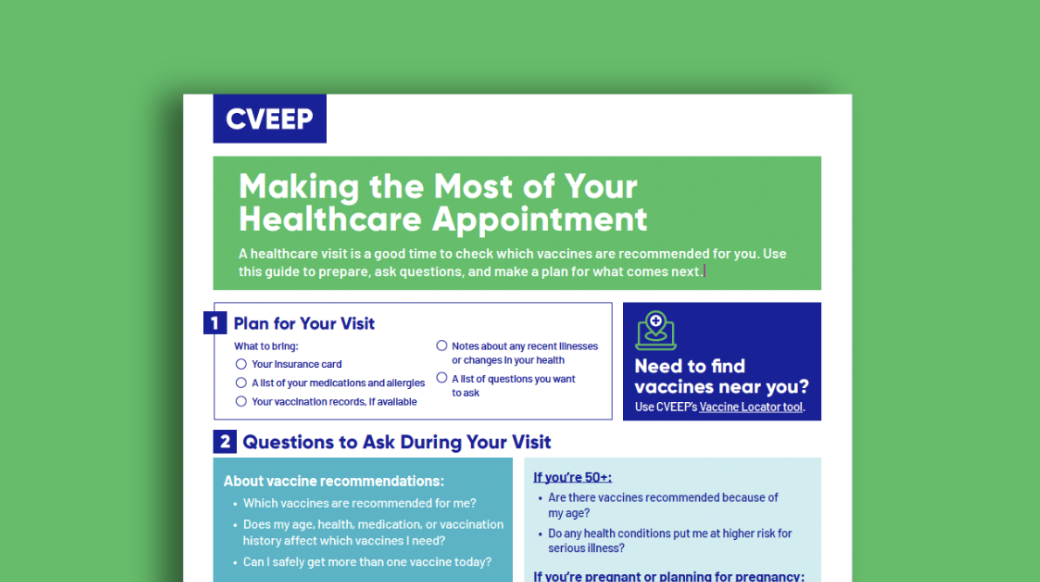
A healthcare visit is a good time to check which vaccines are recommended for you. Use this guide to prepare, ask questions, and make a plan for what comes next.
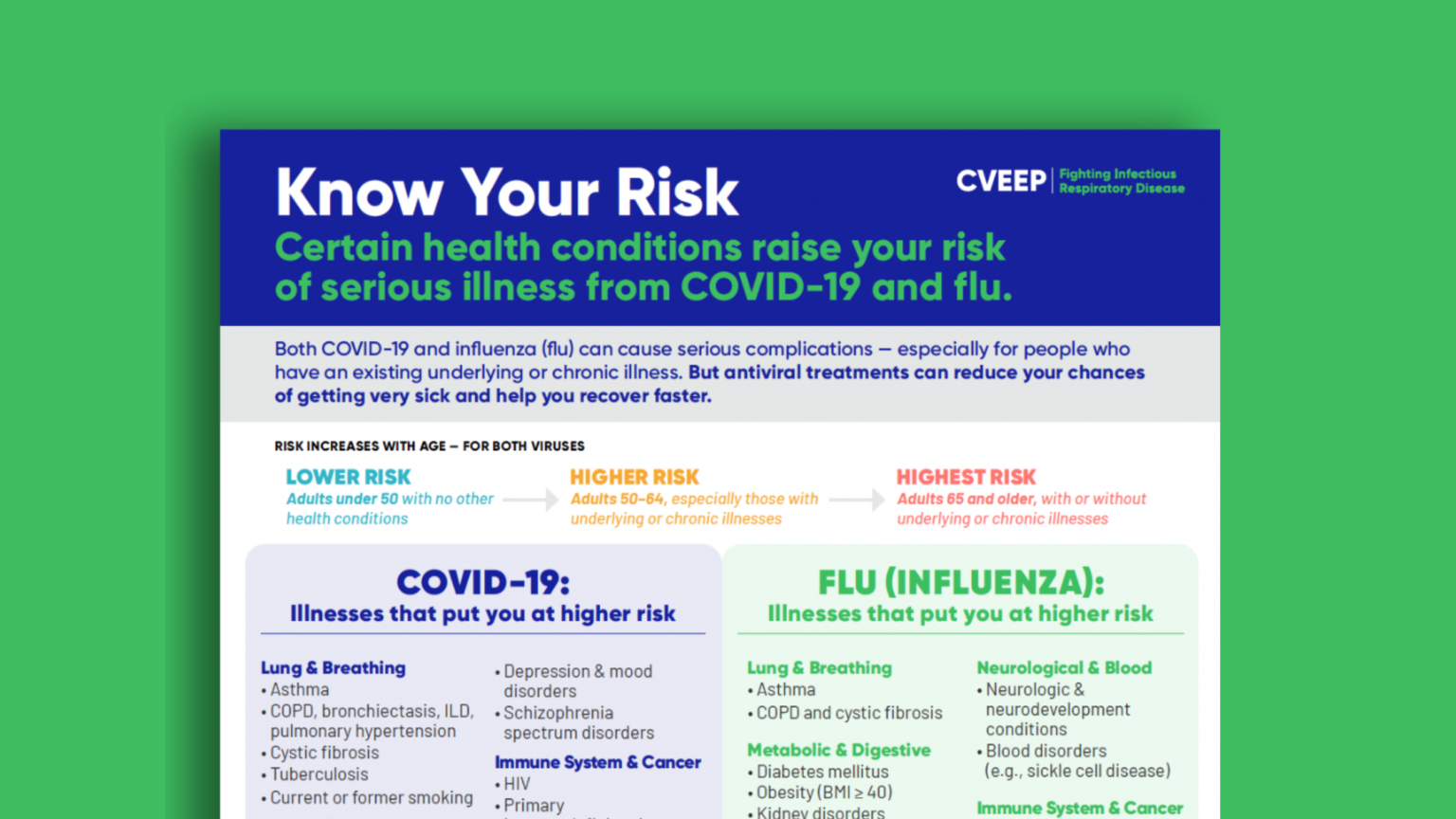
Know Your Risk: Certain Health Conditions Raise Your Risk of Serious Illness from COVID-19 and Flu
Both COVID-19 and influenza (flu) can cause serious complications — especially for people who have an existing underlying or chronic illness. But antiviral treatments can reduce your chances of getting very sick and help you recover faster.
Certain health conditions raise your risk of serious illness from COVID-19 and flu.
Both COVID-19 and influenza (flu) can cause serious complications — especially for people who have an existing underlying or chronic illness. But antiviral treatments can reduce your chances of getting very sick and help you recover faster.
RISK INCREASES WITH AGE — FOR BOTH VIRUSES LOWER RISK: Adults under 50 with no other health conditions HIGHER RISK: Adults 50–64, especially those with underlying or chronic illnesses HIGHEST RISK: Adults 65 and older, with or without underlying or chronic illnesses
Illnesses that put you at higher risk:
COVID
FLU (INFLUENZA)
Asthma • COPD, bronchiectasis, ILD, pulmonary hypertension • Cystic fibrosis • Tuberculosis • Current or former smoking Metabolic & Digestive • Diabetes (type 1 and 2) • Obesity (BMI ≥ 30) • Chronic kidney disease / dialysis Heart & Circulation • Heart disease • Cerebrovascular / stroke-related disease Neurological • Dementia • Parkinson’s disease • Depression & mood disorders • Schizophrenia spectrum disorders Immune System & Cancer • HIV • Primary immunodeficiencies • Organ or stem cell transplant • Long-term steroid / immunosuppressant use • Cancer (including blood cancers) Other • Pregnancy & recent pregnancy • Disabilities, including Down syndrome • Physical inactivity
Asthma • COPD and cystic fibrosis Metabolic & Digestive • Diabetes mellitus • Obesity (BMI ≥ 40) • Kidney disorders • Liver disorders • Metabolic disorders (incl. mitochondrial disorders) Heart & Circulation • Congenital heart disease, heart failure, coronary artery disease • History of stroke Neurological & Blood • Neurologic & neurodevelopment conditions • Blood disorders (e.g., sickle cell disease) Immune System & Cancer • HIV / AIDS • Cancer (e.g., leukemia) • Chemotherapy, radiation, or immunosuppressant use Other • Pregnancy & recent pregnancy • Disabilities, including Down syndrome • Physical inactivity
Not a complete list of medical conditions. Some treatments may have side effects or interact with other medications you are taking, talk with your healthcare provider to help you make the best choice for your health.
ANTIVIRAL TREATMENTS CAN HELP Getting tested and starting an antiviral treatment early can help prevent what may seem like a mild illness from becoming more serious.
STEPS YOU CAN TAKE TO PREVENT SERIOUS ILLNESS 1. Stay up to date on COVID-19 and flu vaccines 2. Talk to your doctor about your personal risk 3. Ask about antiviral options early if you get sick
Keeping Children with Chronic Conditions Protected through Immunization
Last Updated04/28/2026
Children living with chronic health conditions — such as diabetes, heart disease, kidney disease and lung diseases like asthma — face a higher risk of serious complications from common infections like COVID-19, flu, RSV, and pneumococcal disease. While these illnesses can be mild for some, they can lead to a hospital stay, long-term health impacts, or even life-threatening outcomes for children with ongoing health conditions. Understanding these risks can help guide timely vaccination to help keep children protected against severe illness.
CVEEP held a discussion exploring the critical role of vaccines in keeping children most at risk healthy. Pediatric health and vaccine experts shared why children with chronic health conditions are at increased risk for severe outcomes, provided an overview of vaccine recommendations for children, and offered best practices for providers, parents, and caregivers to protect these vulnerable populations.
Panelists included:
David Hill, MD, FAAP, Co-Host of “Pediatrics On Call” Podcast and Spokesperson, American Academy of Pediatrics (AAP)
Patricia (Patsy) Stinchfield, RN, MS, CPNP, Immediate Past-President, National Foundation for Infectious Diseases
Moderator:Serese Marotta, Deputy Chief Executive Officer, Vaccinate Your Family
Immunocompromised | Vaccines
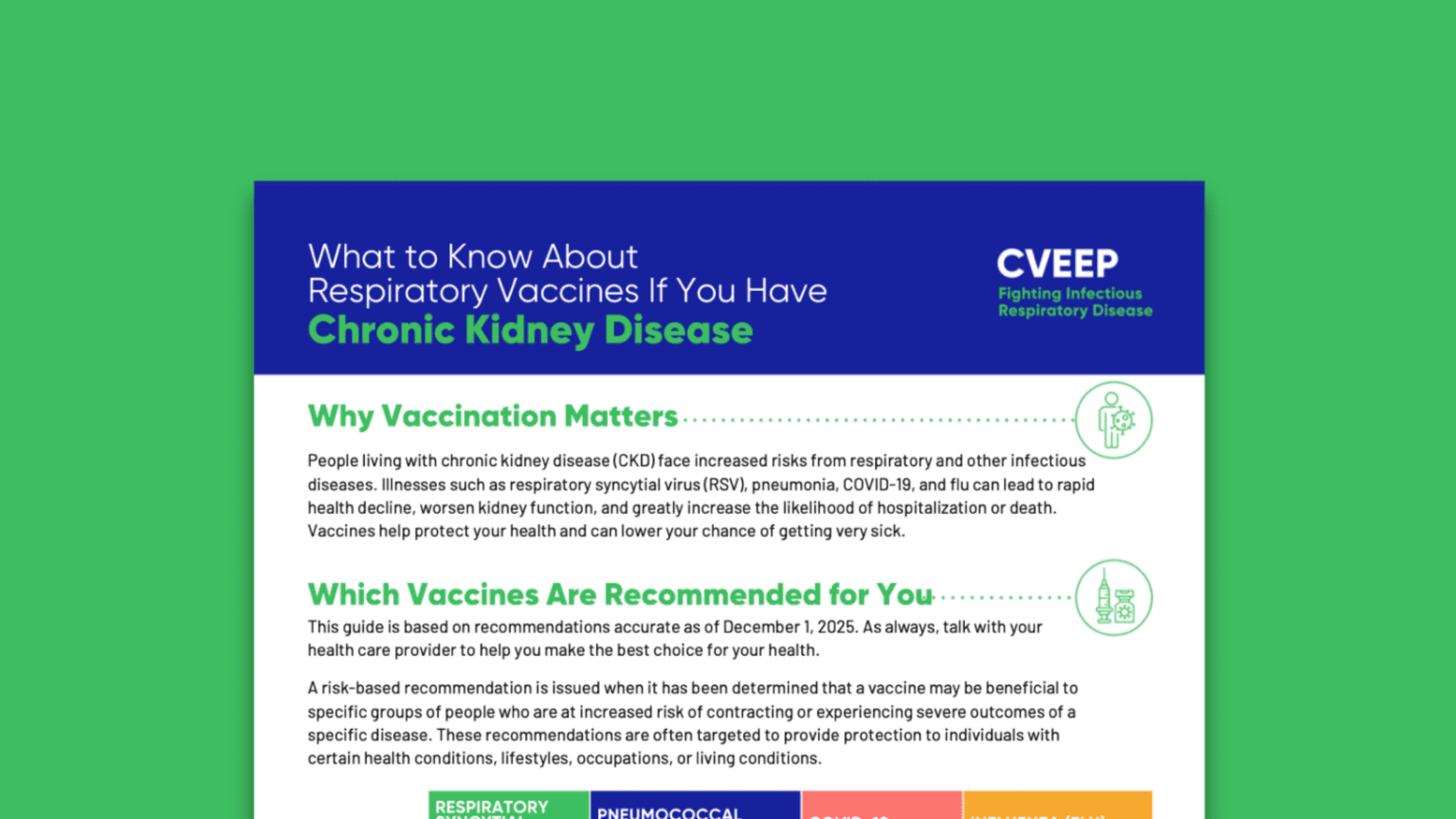
What to Know About Respiratory Vaccines If You Have Chronic Kidney Disease
This fact sheet explains why people living with chronic kidney disease face increased risks from respiratory infections such as RSV, pneumococcal disease, COVID-19, and influenza, and outlines which vaccines are recommended based on age and risk factors.
Last Updated03/10/2026
What to Know About Respiratory Vaccines If You Have Chronic Kidney Disease
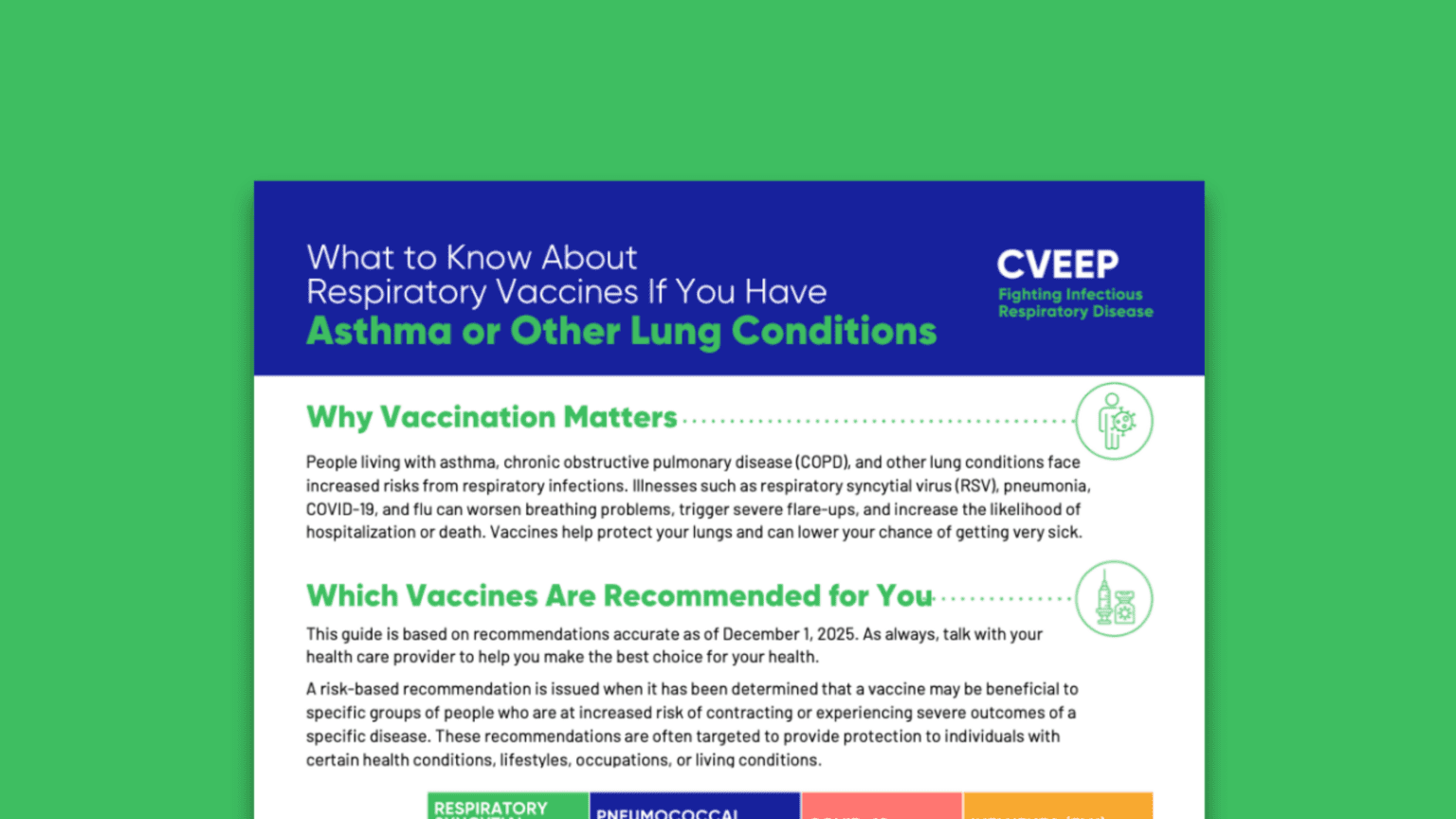
What to Know About Respiratory Vaccines If You Have Asthma or Other Lung Conditions
This fact sheet explains why people living with asthma face increased risks from respiratory infections such as RSV, pneumococcal disease, COVID-19, and influenza, and outlines which vaccines are recommended based on age and risk factors.
Last Updated03/06/2026
What to Know About Respiratory Vaccines If You Have Asthma or Other Lung Conditions
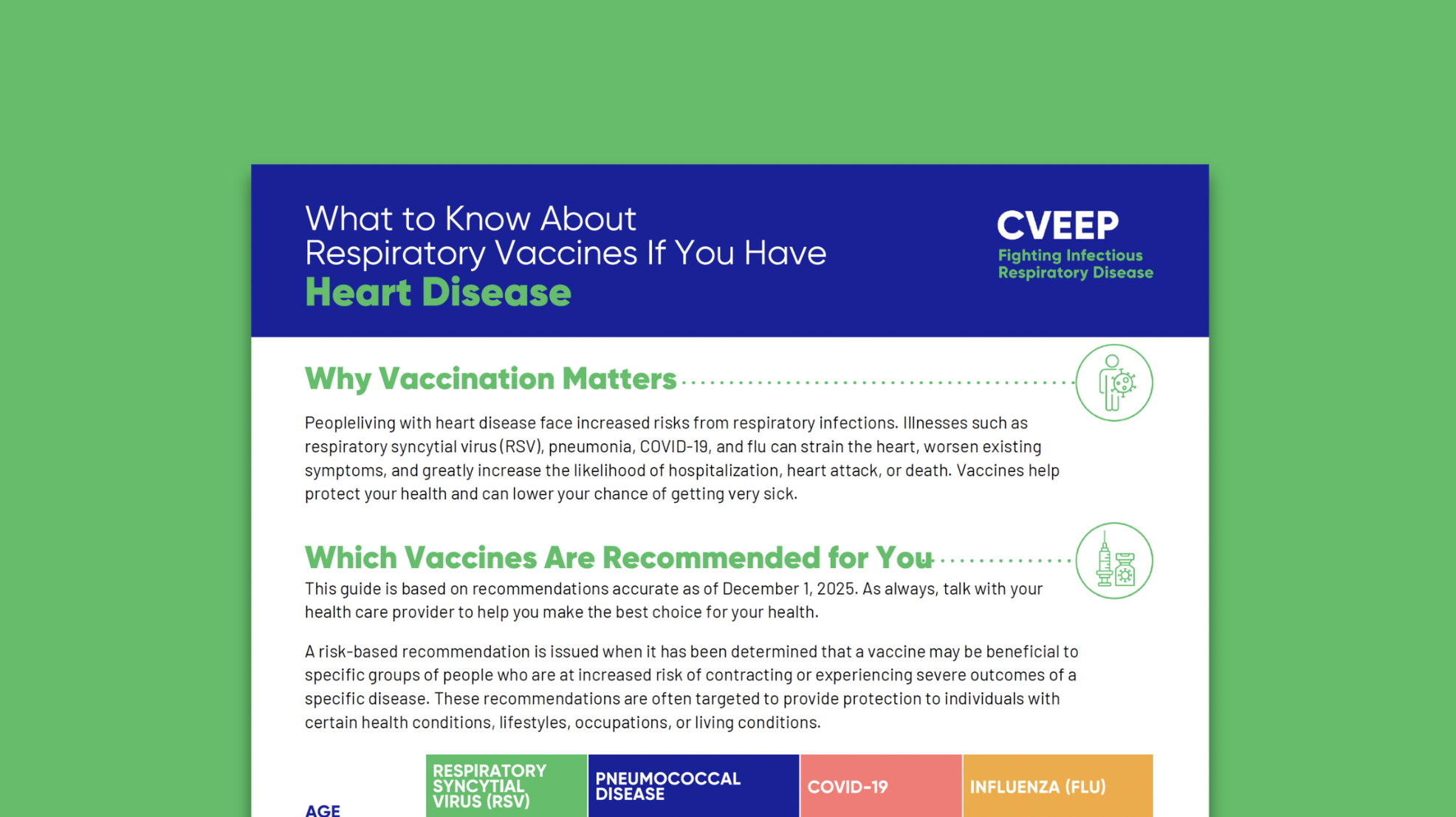
What to Know About Respiratory Vaccines If You Have Heart Disease
This fact sheet explains why people living with heart disease face increased risks from respiratory infections such as RSV, pneumococcal disease, COVID-19, and influenza, and outlines which vaccines are recommended based on age and risk factors.
Last Updated02/24/2026
What to Know About Respiratory Vaccines If You Have Heart Disease
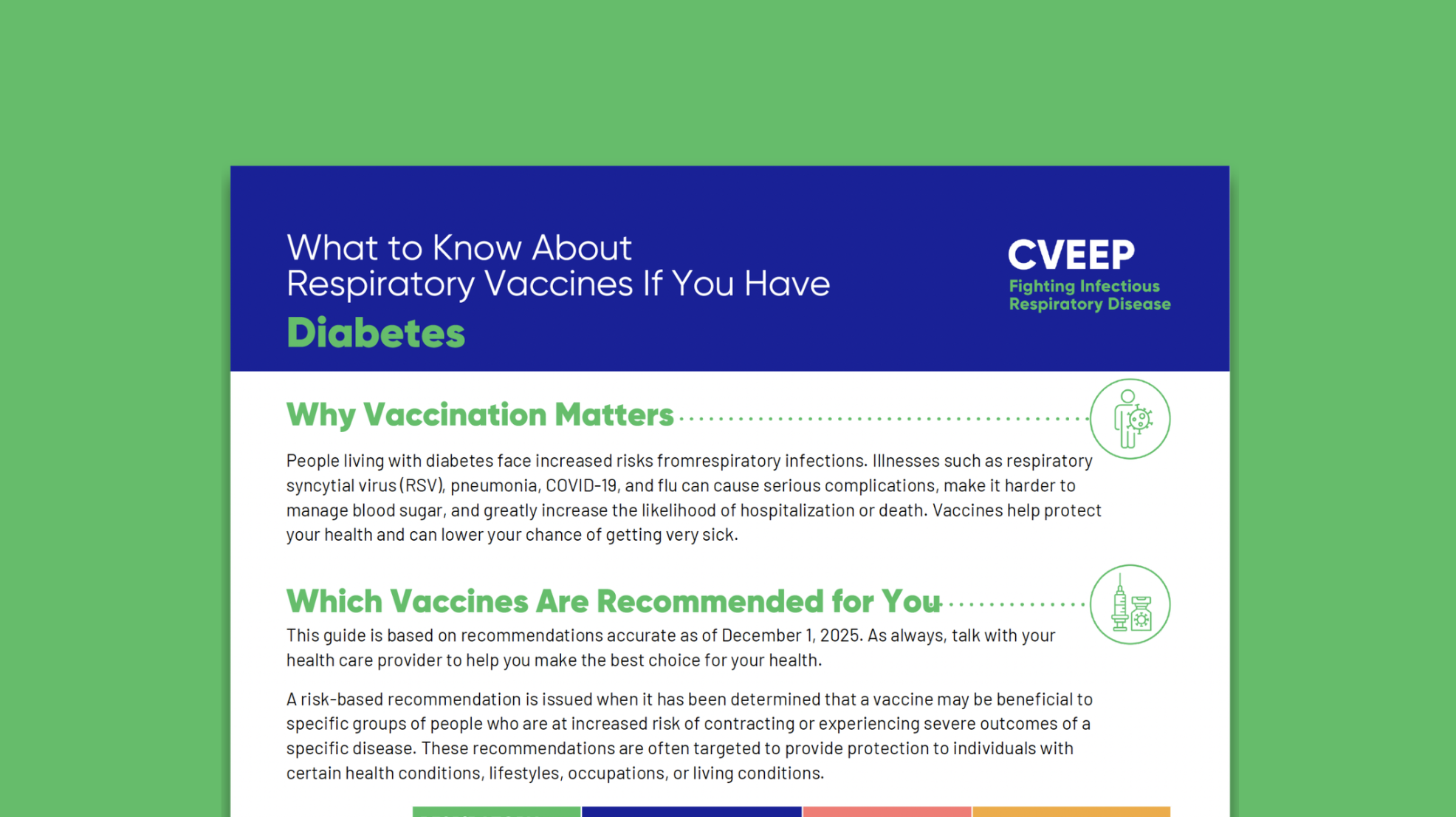
What to Know About Respiratory Vaccines If You Have Diabetes
This fact sheet explains why people living with diabetes face increased risks from respiratory infections such as RSV, pneumococcal disease, COVID-19, and influenza, and outlines which vaccines are recommended based on age and risk factors.
Last Updated02/24/2026
What to Know About Respiratory Vaccines If You Have Diabetes
Randy Rutta, CEO of the National Health Council, discusses the importance of investing in community health through preventive measures such as vaccination.
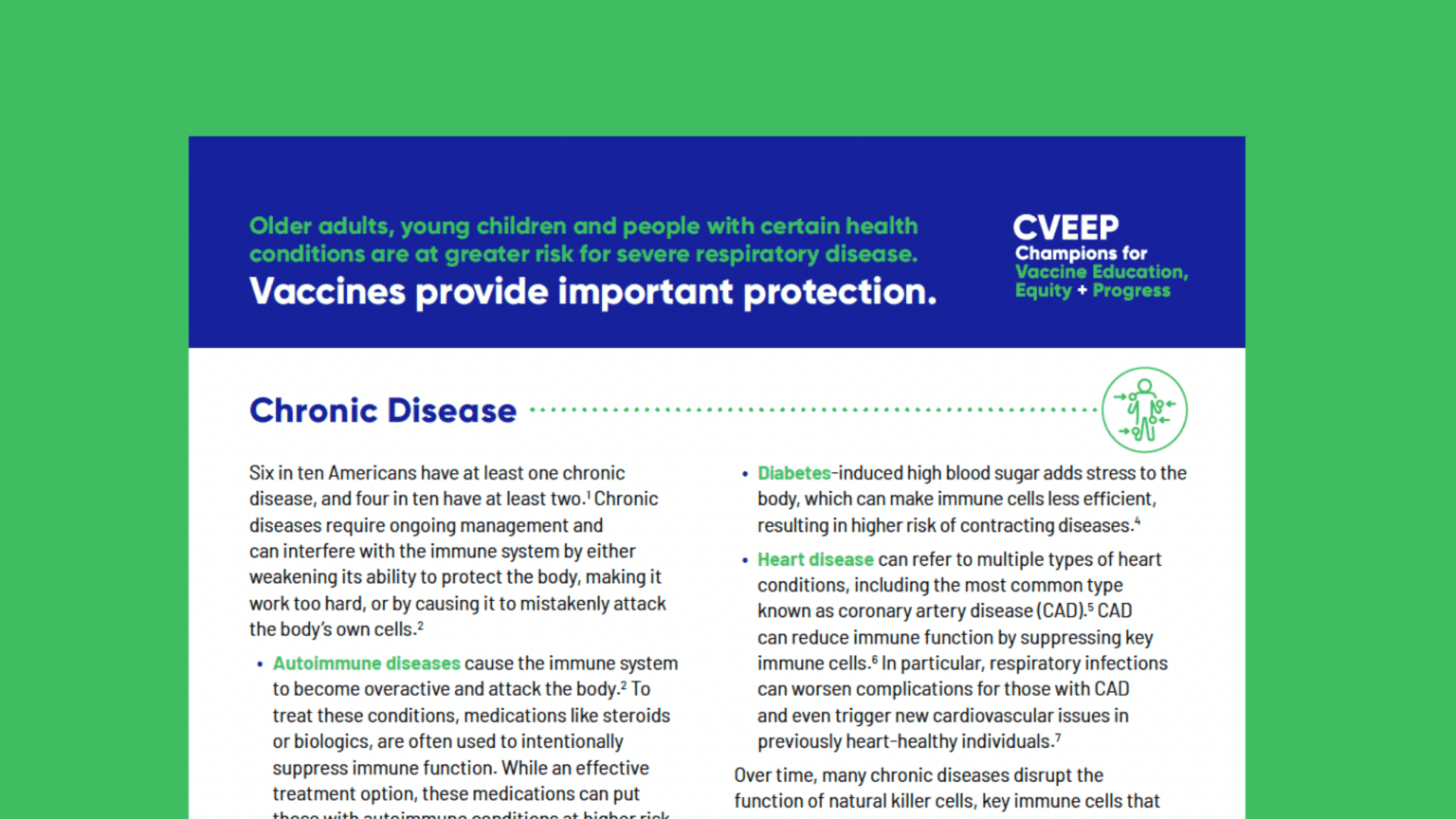
The Benefits of Immunization for High-Risk Populations
Older adults, young children and people with certain health conditions are at greater risk for severe respiratory disease. Vaccines provide important protection.
Last Updated03/12/2025
The Benefits of Immunization for High-Risk Populations
RSV Vaccines: Insights for At-Risk and Older Adults
Last Updated12/10/2024
Last year’s availability of respiratory syncytial virus (RSV) vaccines marked a critical step in science and public health. Previously, no widespread prevention option existed to protect those at increased risk for RSV, including older adults, from this serious infectious respiratory disease. In the year since RSV vaccines were first introduced, real world evidence has shown that they are effective in preventing serious illness for individuals 60 years and older. However, despite the progress made towards RSV prevention, RSV vaccine uptake continues to remain low in older adults.
As we continue into peak respiratory season and beyond, CVEEP hosted an expert-led conversation on updated risk-based RSV vaccine guidance for older adults, the value of vaccination for adults at highest risk for severe RSV disease, and other important considerations to help promote vaccine uptake across communities.
Speakers included:
Amadea Britton, MD, Medical Officer, Coronavirus and Other Respiratory Viruses Division, Co-Lead of the Advisory Committee on Immunization Practices Adult RSV Vaccine Work Group, Centers for Disease Control and Prevention
Lynn Albizo, JD, Chief Public Policy Officer at the Immune Deficiency Foundation
Sara Maloney, MPA, Program Director of the Aging and Disability Vaccination Collaborative and the Center for Dementia Respite Innovation, USAging
The discussion was moderated by Karyne Jones, President and Chief Executive Officer of the National Caucus and Center on Black Aging, a convener of CVEEP.
Content on this site is being updated to reflect the FDA’s August 27 approval of the 2026–2027 COVID-19 vaccine formula. Please check back soon.