Paola German, a family nurse practitioner at the UCI Sue & Bill Gross School of Nursing, discussed how respiratory illnesses can quickly turn from mild to serious without the help of vaccines.
Last Updated11/10/2025
RSV | Older Adult | Vaccines
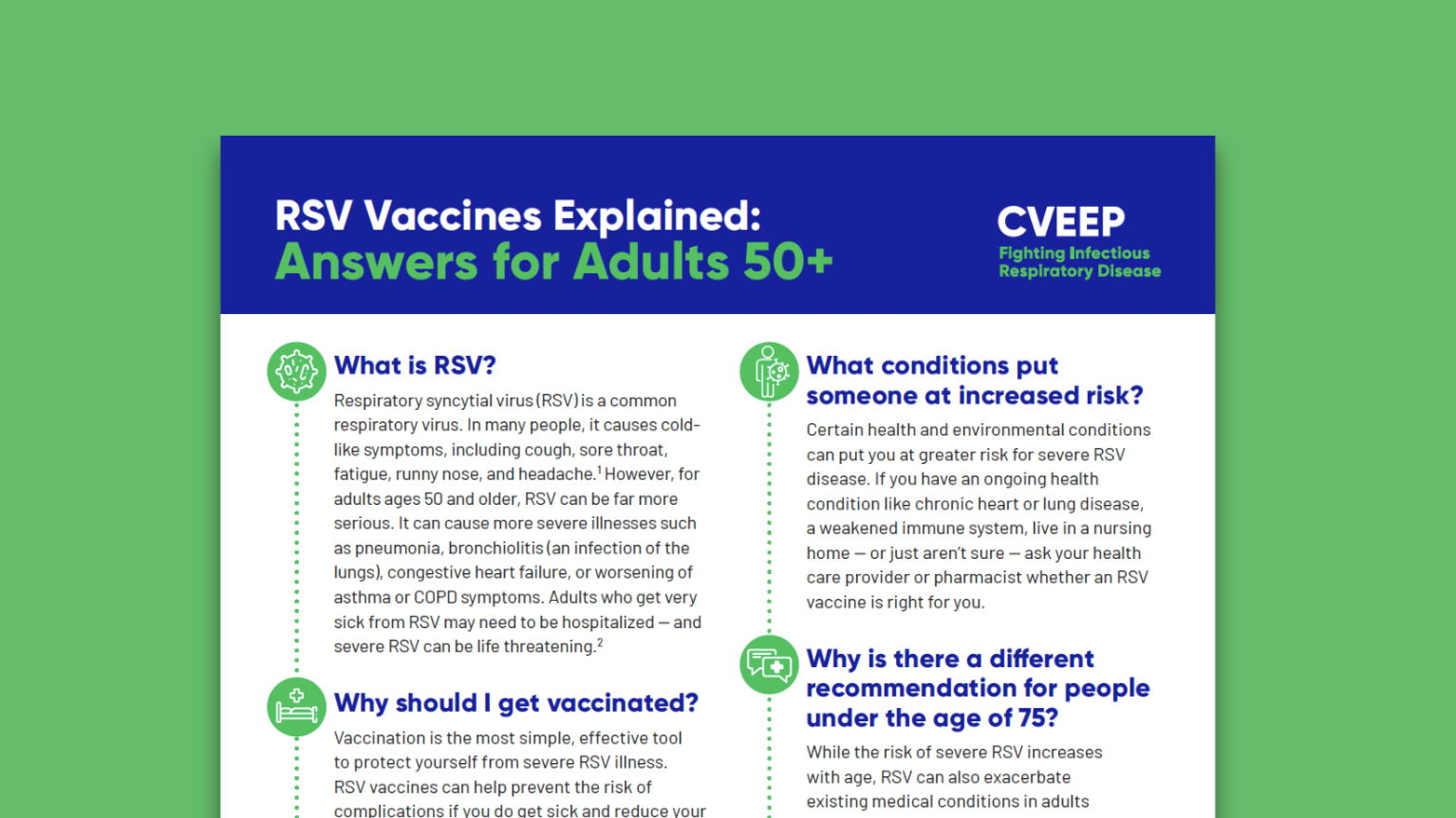
RSV Vaccines Explained: Answers for Adults 50+
Respiratory syncytial virus (RSV) is a common respiratory virus. In many people, it causes cold-like symptoms, including cough, sore throat, fatigue, runny nose, and headache. However, for adults ages 50 and older, RSV can be far more serious. It can cause more severe illnesses such as pneumonia, bronchiolitis (an infection of the lungs), congestive heart failure, or worsening of asthma or COPD symptoms. Adults who get very sick from RSV may need to be hospitalized — and severe RSV can be life threatening.
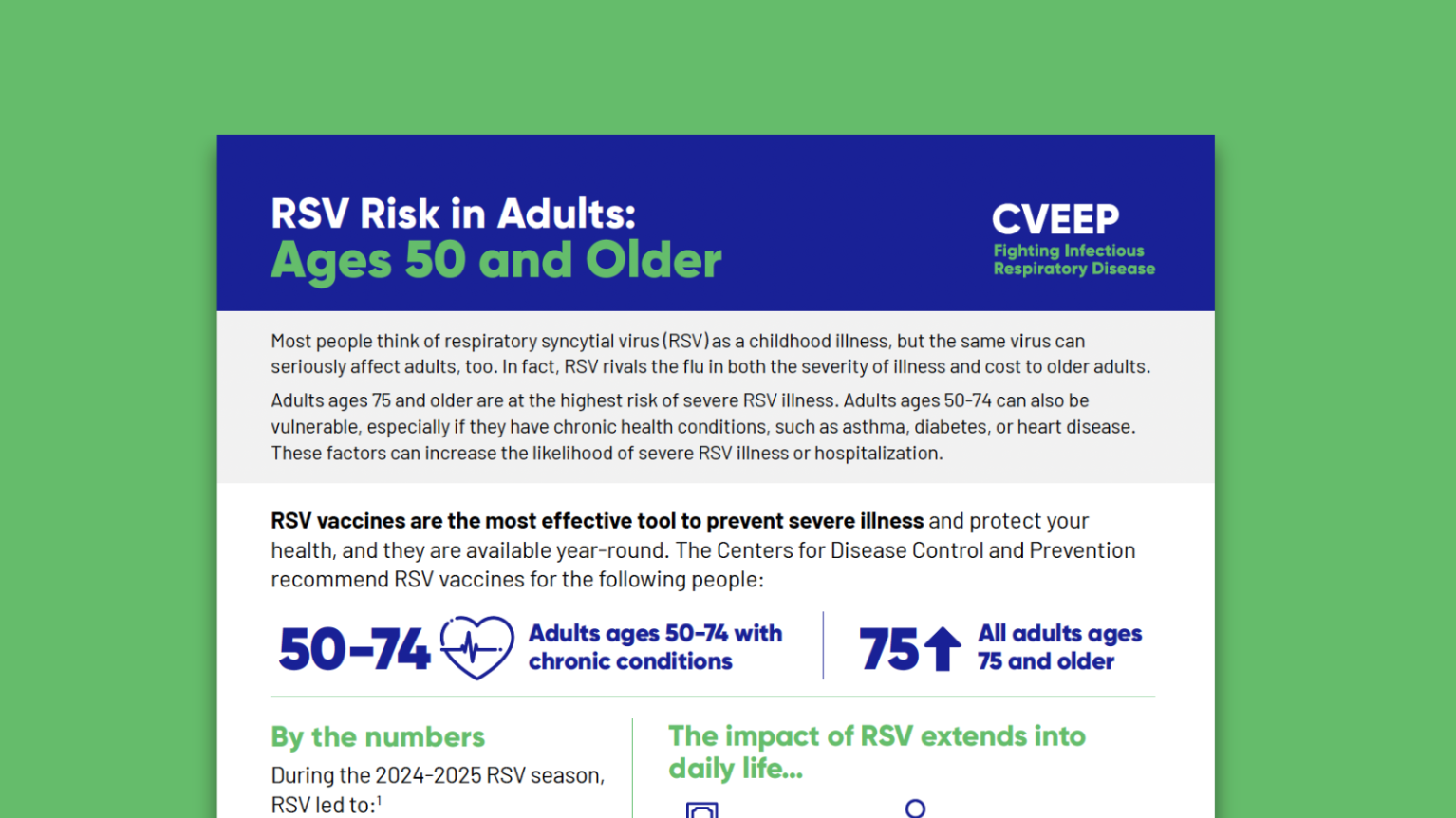
Most people think of respiratory syncytial virus (RSV) as a childhood illness, but the same virus can seriously affect adults, too. In fact, RSV rivals the flu in both the severity of illness and cost to older adults. Adults ages 75 and older are at the highest risk of severe RSV illness. Adults ages 50-74 can also be vulnerable, especially if they have chronic health conditions, such as asthma, diabetes, or heart disease. These factors can increase the likelihood of severe RSV illness or hospitalization.
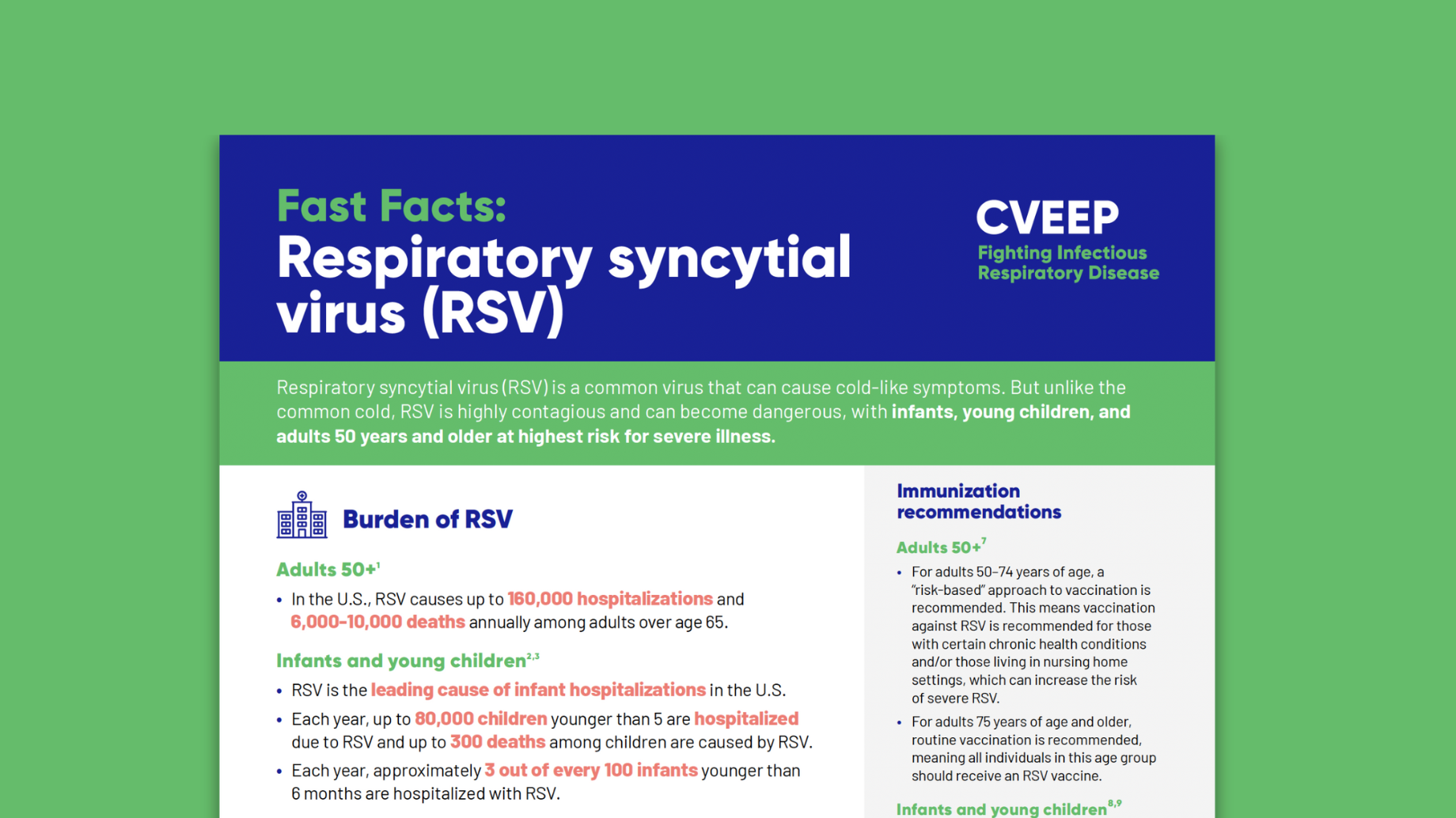
Respiratory syncytial virus (RSV) is a common virus that causes a cold-like disease. But unlike the common cold, RSV is highly contagious and can become dangerous, with infants, young children, and adults 50 years and older at highest risk for severe illness.
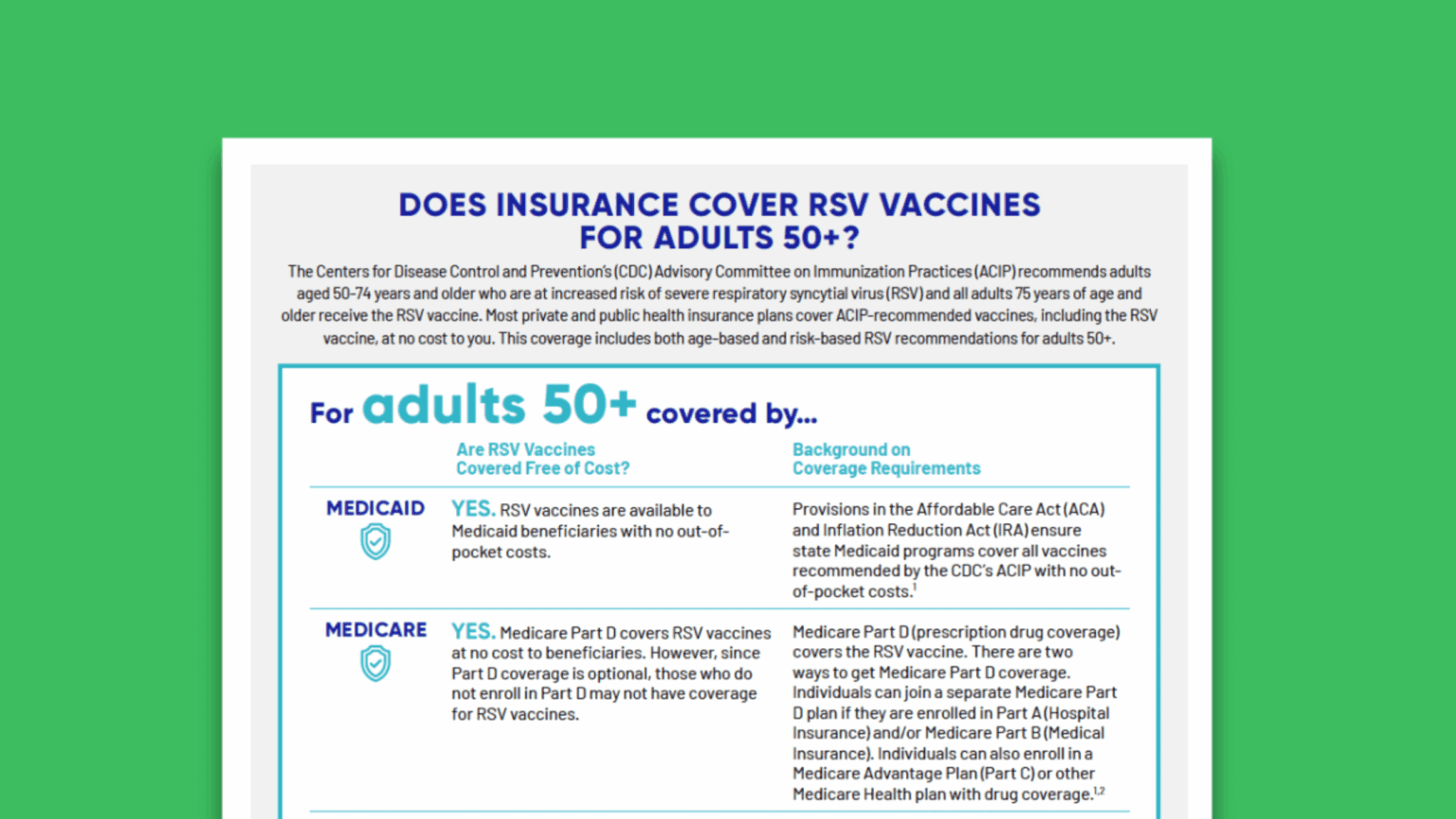
Does Insurance Cover RSV Vaccines for Older Adults?
Most private and public health insurance plans cover ACIP-recommended vaccines, including the RSV vaccine, at no cost to you. This coverage includes both age-based and risk-based RSV recommendations for older adults.
Last Updated10/30/2025
Does Insurance Cover RSV Vaccines for Older Adults?
FAQ: Respiratory Vaccine Appointments for Patients 50+
Respiratory season is here, and depending on your age and health status, it may be recommended for you to get vaccinations for flu, COVID-19, RSV, or pneumococcal infection. The below FAQ can serve as a starting place as you make your vaccine appointments and take steps to stay healthy.
Last Updated10/17/2025
FAQ: Respiratory Vaccine Appointments for Patients 50+
Coverage, Access, and ACIP Recommendations: What Consumers Should Know about Respiratory Vaccines Heading into Fall
Last Updated10/15/2025
Recent changes to recommendations for respiratory vaccines have left patients and providers with pressing questions about vaccine access and coverage. Following its most recent meeting in September, the CDC’s Advisory Committee on Immunization Practices (ACIP) recommended COVID-19 vaccines for those 6 months and older based on “individual decision-making.” This change in recommendation illuminated the need for stakeholders to have clarity on the impact of ACIP recommendations on respiratory vaccine insurance coverage.
CVEEP hosted a timely discussion on this topic as experts in healthcare coverage, public health, and vaccine policy broke down the relationship between ACIP recommendations and coverage among different types of insurance plans, what to expect at your vaccination appointments this year, and how to advocate for yourself as a patient seeking fall vaccines.
Panelists included:
Chris Regal, MS, Director of Clinical Innovation, AHIP
Margot Savoy, MD, MPH,Chief Medical Officer, American Academy of Family Physicians (AAFP)
Allison Hill, PharmD, RPh, Director of Professional Affairs, American Pharmacists Association (APhA)
Moderator: Serese Marotta, Deputy CEO, Vaccinate Your Family
Your Fall Vaccine Visit: What to Expect and How to Prepare
During respiratory season, recommended vaccines are especially important, particularly among individuals aged 50 and older, to protect against serious illness caused by respiratory diseases such as flu, COVID-19, pneumococcal disease, and RSV. Getting vaccinated this fall is one of the simplest ways to stay healthy and protect the people around you.
Last Updated10/14/2025
Your Fall Vaccine Visit: What to Expect and How to Prepare
National Immunization Awareness Month: What to Know About Vaccines for a Healthier Fall & Winter
Last Updated08/27/2025
August is National Immunization Awareness Month (NIAM), a time for us to recognize the critical role vaccination plays in helping prevent serious illness from infectious respiratory diseases. This annual observance highlights the importance of staying up to date with vaccines at all ages, especially as we approach the fall and winter respiratory season.
CVEEP hosted an expert-led discussion on the recent shifts to the federal vaccine landscape, what experts are anticipating ahead of the 2025/2026 respiratory season, and the potential impact of these changes on access and uptake this fall. Providers and public health experts explained the importance of staying up to date on vaccinations for infectious respiratory diseases and broke down the latest vaccine recommendations and guidance — offering insights into which vaccines are needed to stay protected throughout the fall and winter.
Panelists included:
Dr. Jen Brull, President, American Academy of Family Physicians (AAFP)
Dr. William Schaffner, Spokesperson, National Foundation for Infectious Diseases (NFID)
Moderator:Karyne Jones, President and CEO, NCBA, Inc.
Vaccines | Guidance | Older Adult | RSV
What to Know About RSV Vaccines for Adults 50+
For older adults, RSV can be very serious and causes hospitalizations and death each year. Vaccines are available to help protect against RSV and the CDC recommends vaccination for people who are at increased risk for severe RSV.