Pneumococcal Disease
Need vaccine information?
Check out the resources below.
Visit
Visit
Pneumococcal disease is caused by a bacteria called Streptococcus pneumoniae and can result in many different types of infections, including pneumonia (lung infection).
In the U.S., pneumococcal pneumonia causes over 150,000 hospitalizations and 5,000 deaths annually.
Who needs to be protected?
The best way to help prevent severe illness from pneumococcal disease is to get vaccinated. You can receive a pneumococcal vaccine at any time of year, and at the same time as other vaccines.
The Centers for Disease Control and Prevention (CDC) and leading medical societies recommend the following groups stay up to date with pneumococcal vaccines:
- All children younger than 5 years
- All adults 50 years or older
Pneumococcal vaccines are also recommended for some children and adults with certain risk conditions.
- Children ages 2 – 18 may need pneumococcal vaccines beyond the routine childhood series depending on age, vaccination history, and risk condition (e.g., chronic heart, liver, kidney, and lung disease [including some cases of asthma], weakened immune systems, and cochlear implants).
- Adults 19 – 49 may be recommended to receive pneumococcal vaccines depending on vaccination history and risk condition (e.g., chronic heart, liver, kidney and lung disease, diabetes, and cigarette smoking).
The number and type of pneumococcal vaccines you may need depend on your age, health conditions, and which pneumococcal vaccines you have already received.
For complete pneumococcal disease vaccine recommendations, please visit:
- American Academy of Pediatrics (AAP)
- American Academy of Family Physicians (AAFP)
- American College of Obstetricians & Gynecologists (ACOG)
- Centers for Disease Control and Prevention (CDC)
What vaccine options are available?
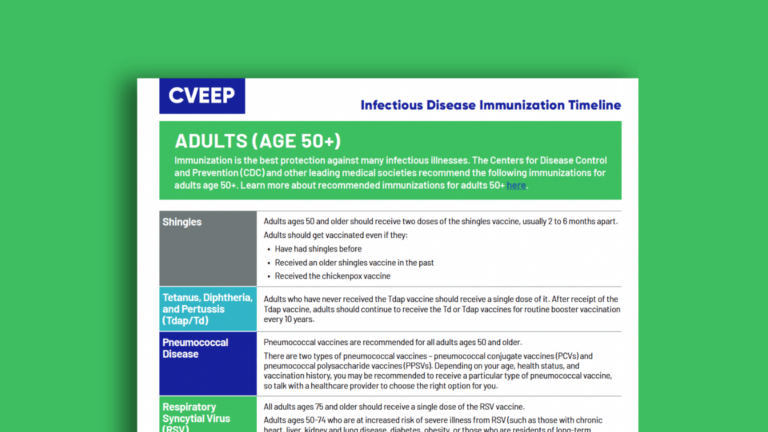
There are two types of pneumococcal vaccines – pneumococcal conjugate vaccines (PCVs) and pneumococcal polysaccharide vaccines (PPSVs) . Depending on your age, health status, and vaccination history, you may be recommended to receive a particular type of pneumococcal vaccine, so talk with a healthcare provider to choose the right option for you.
I’m feeling lousy. How do I figure out what I have?
Learn more about symptoms for pneumococcal disease.
While pneumococcal disease can result in many types of infections, symptoms may include:
- Cough
- Rapid breathing or difficulty breathing
- Chest pain
- Sore throat
- Ear pain
- Headache
- Stiff neck
- Fever* or chills
- Confusion
- Sensitivity to lights
*There is some research that indicates that fever in older adults may be lower than the typical 101.4 F.
Early diagnosis is very important for serious pneumococcal disease. Reach out to a healthcare provider for a diagnosis, which may require lab testing.
What should I do if I or a loved one has pneumococcal disease?
Vaccination is the best way to help protect yourself from severe illness, especially if you are at higher risk.
Early treatment is very important, so consult with a healthcare provider on the best treatment plan. Providers typically use antibiotics to treat pneumococcal disease.
Latest Resources
Guidance | COVID-19 | Flu | Older Adult | Pertussis (Whooping Cough) | Pneumococcal Disease | RSV | Vaccines