COVID-19
Need vaccine information?
Check out the resources below.
Visit
Visit
COVID-19 remains a significant threat, with thousands of hospitalizations and hundreds of deaths occurring weekly in the U.S.
Despite the success of vaccines, some people have risk factors that put them at high risk for severe illness from COVID-19.
Who should get a COVID-19 vaccine?
The Centers for Disease Control and Prevention (CDC) and leading medical societies recommend 2026-2027 COVID-19 vaccination for individuals 6 months and older based on age and health status.
- For adults:
- CDC and leading medical societies recommend COVID-19 vaccination for all adults. Vaccination is especially important for people at increased risk for severe COVID-19.
- For children:
- CDC recommends vaccination for those 6 months-17 years who are immunocompromised, or through shared clinical decision-making
- Leading medical societies recommend vaccination for:
- All young children 6-23 months
- Children 2-18 years in certain risk groups or if desired
Different COVID-19 vaccines are available for different age groups, and the number of doses recommended may vary based on age, health and vaccination history. Learn more about certain health conditions that may put you at greater risk of severe illness and talk to your healthcare provider about what’s right for you or your child..
COVID-19 vaccines are broadly covered at no-cost to the individual. Private insurance plans, Medicare, TRICARE, and Medicaid cover COVID-19 vaccines at no-cost but check with your plan if you have questions about how or where to get your COVID-19 vaccine.
What vaccine options are available?
Three COVID-19 vaccines are available in the U.S., including two mRNA vaccine options (Moderna and Pfizer) and one protein-based vaccine option (Novavax-Sanofi).
Many pharmacies offer a range of vaccines. Visit CVEEP’s Vaccine Locator tool to find places near you that offer vaccines.
I’m feeling lousy. How do I figure out what I have?
Learn more about symptoms of COVID-19.
Symptoms of COVID-19 may include:
- Fever* or chills
- Cough
- Shortness of breath or difficulty breathing
- Fatigue
- Muscle or body aches
- Headache
- New loss of taste or smell
- Sore throat
- Congestion or runny nose
- Nausea or vomiting
- Diarrhea
*There is some research that indicates that fever in older adults may be lower than the typical 101.4 F.
If you have COVID-19 symptoms, it’s important to get tested. At-home testing options are available, and many healthcare providers offer testing in their practices.
What should I do if I or a loved one has COVID-19?
Vaccination is the best way to help protect yourself from severe illness, especially if you are at higher risk.
If you or a loved one has COVID-19, talk with a healthcare provider about treatment options and ways to prevent spreading the disease to others. They can help you determine if an antiviral treatment option is right for you. COVID-19 oral antivirals are most effective at preventing severe illness when they are started as soon as possible after being infected — within 5 days after symptoms begin.
Latest Resources
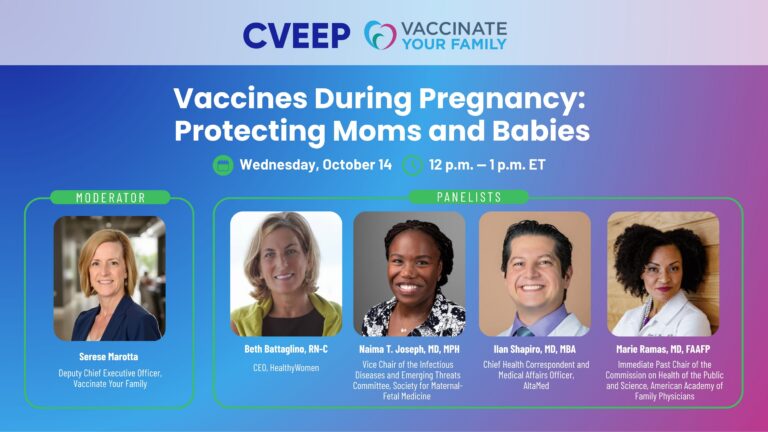
Pregnancy | Childhood | COVID-19 | Flu | Pertussis (Whooping Cough) | RSV | Vaccines
Vaccines During Pregnancy: Protecting Moms and Babies
Read more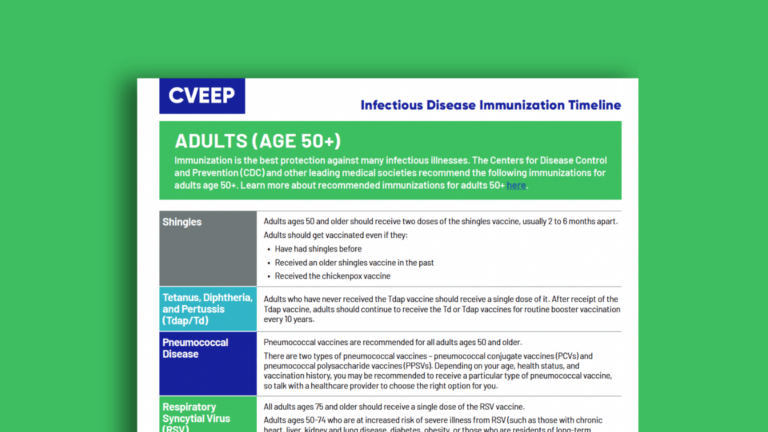
The Risks Are Real
The risks of infectious respiratory disease are real and vaccines are a critical tool that help protect against severe outcomes — particularly for children, pregnant people, older adults and those with underlying medical conditions.
Hear from healthcare providers on their stories and perspectives around the real impact of illness and the importance of prevention.
Hear from healthcare providers on their stories and perspectives around the real impact of illness and the importance of prevention.