Respiratory Syncytial Virus (RSV)
RSV is a common virus that causes a cold-like disease. But unlike the common cold, RSV is highly contagious and can turn dangerous, with young children and adults 50 and older at highest risk for severe illness.
RSV is the leading cause of hospitalization for infants in the U.S. and causes between 6,000 and 10,000 deaths among adults 65 and older annually.
Who needs to be protected?
The Centers for Disease Control and Prevention (CDC) and leading medical societies recommend the following protection against RSV for the following groups:
- Infants and young children
- Either maternal RSV vaccination or infant immunization to help prevent severe illness from RSV in infants and young children.
- Pregnant women can receive an RSV vaccine between 32–36 weeks of pregnancy during RSV season* to protect their infants at birth.
- CDC recommends vaccination from September through January in most of the continental United States. The American College of Obstetricians and Gynecologists (ACOG) recommends extending vaccination from September 1 through March 1 for eligible pregnant individuals. Talk to your healthcare provider about the timing that is right for you.
- If a child’s mother does not receive an RSV vaccine during pregnancy, a preventive antibody can be given to the newborn after birth.
- Either maternal RSV vaccination or infant immunization to help prevent severe illness from RSV in infants and young children.
- Adults ages 50 and older
- A single dose of RSV vaccine is recommended for:
- All adults age 75 and older
- Adults ages 50-74 who are at increased risk of severe illness from RSV (such as those with chronic heart, liver, kidney and lung disease, diabetes, obesity, or those who are residents of long-term care facilities)
- A single dose of RSV vaccine is recommended for:
*RSV season can vary around the country. If you live in Alaska, Florida, or outside the continental U.S., talk to a healthcare provider about when RSV season is expected where you live.
For complete RSV vaccine recommendations, please visit:
- American Academy of Pediatrics (AAP)
- American Academy of Family Physicians (AAFP)
- American College of Obstetricians & Gynecologists (ACOG)
- Centers for Disease Control and Prevention (CDC)
- Infectious Diseases Society of America (IDSA)
What vaccine options are available?
For adults ages 50 and older:
- Three RSV vaccines are available to help prevent RSV.
For infants:
- Maternal vaccine: One maternal RSV vaccine is available. When given during pregnancy, it helps prevent RSV in infants after birth.
- Preventive antibodies for infants: Two options, nirsevimab or clesrovimab, are available for infants under 8 months born during or entering their first RSV season if:
- their mother did not receive the RSV vaccine during pregnancy,
- their mother’s RSV vaccine status is unknown, or
- their mother received the RSV vaccine less than 14 days prior to birth.
- Preventive antibody for some young children: Nirsevimab is also available for young children 8–19 months who are at increased risk for severe illness from RSV and are entering their second RSV season.
Can I get my RSV vaccine at the same time as my COVID-19 and flu vaccines?
Yes, COVID-19, flu, and RSV vaccines may be given at the same visit. This is known as coadministration and is a common way to stay up to date on recommended vaccines — particularly when there may be not be an opportunity in the future to receive these vaccines.
I’m feeling lousy. How do I figure out what I have?
Learn more about symptoms of RSV.
Symptoms of RSV may include:
- Runny nose
- Decrease in appetite
- Coughing
- Sneezing
- Fever*
- Wheezing
*There is some research that indicates that fever in adults 50+ may be lower than the typical 101.4 F.
There are currently no over-the-counter tests available for RSV, but testing options are available through healthcare providers and home collection kits.
What should I do if I or a loved one has RSV?
For most adults, RSV is mild and resembles a common cold. For infants and adults ages 50 and older, RSV can be very serious. Vaccination is the best way to help protect yourself from severe illness, especially if you are at higher risk.
Unlike other respiratory conditions, there is no specific treatment for RSV, but supportive care is available to help ease symptoms. Consult with a healthcare professional if you or a loved one are experiencing worsening symptoms.
What Adults Ages 50+ Need to Know About RSV Vaccines
Latest Resources
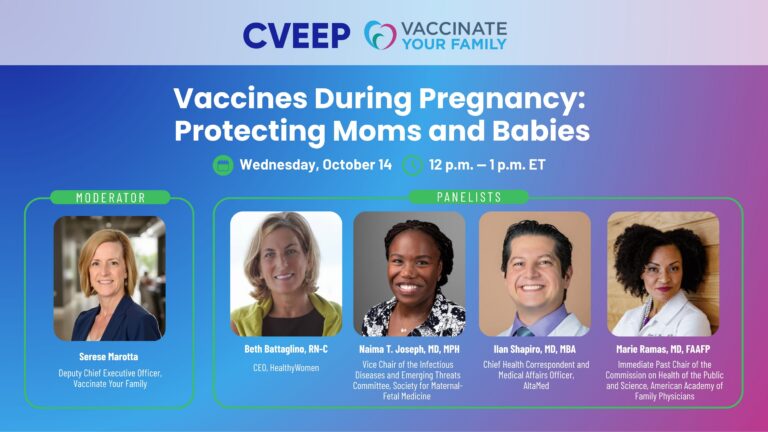
Vaccines During Pregnancy: Protecting Moms and Babies
Read more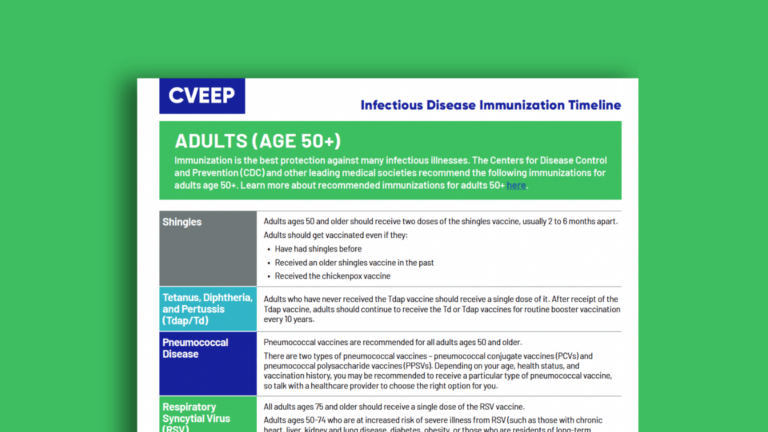
The Risks Are Real
Hear from healthcare providers on their stories and perspectives around the real impact of illness and the importance of prevention.